Seed Bomb Squad
Time to get your hands dirty! This fun session shows students how to make handmade seed bombs using native plant seeds.
What you need
-
Old newspapers, tissue paper and recycled paper (no shiny paper or cardboard).
-
Native seeds
-
Water
-
Bowl for mixing the seed bombs
-
Sieve
-
Muslin cloth
What to do
1. Rip the paper up into small pieces and put it in a bowl with cold water. Leave it overnight so it soaks up all the water and becomes gluggy and ready to be shaped into a ball.
2. Take your mush and mix it with a spoon or your hand until it’s mixed really well.
3. Take some of the mushed paper and put it in a sieve lined with the muslin cloth.
4. Place your seeds on top of the mushy paper, and then knead the seeds into the much while squeezing the water out at the same time.
5. You want your seedball mix to be like playdough, damp rather than soggy.
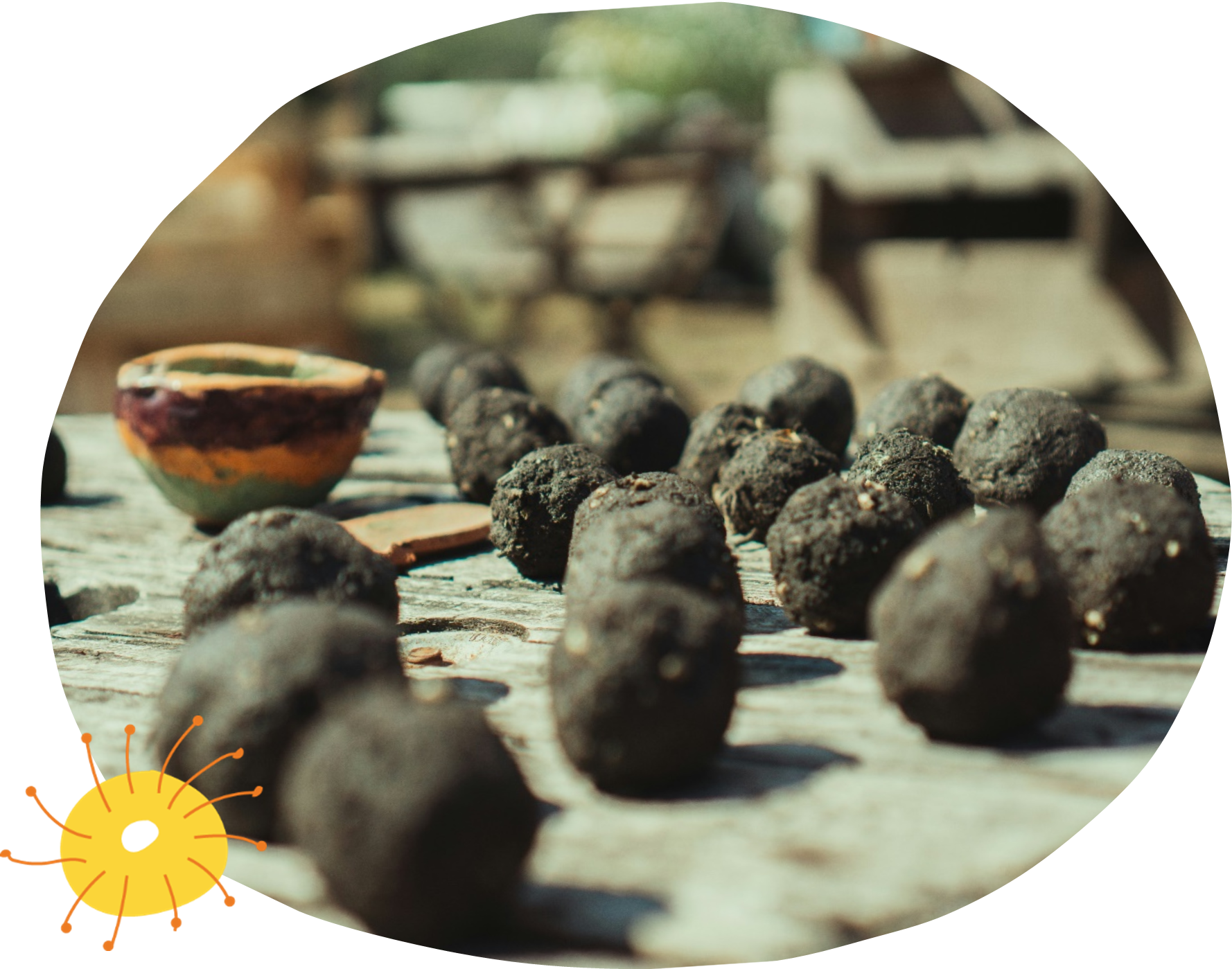
6. Take a small amount of the seed bomb mix and roll in into a golf ball sized seed bomb.
7. Put the seedballs in trays on a warm windowsill or in a cupboard for 2 – 3 days to dry. You can leave them on a tray or pop them in an egg carton if you like.
8. Your seedballs are ready when they are no longer cool and damp to the touch. Now for the fun part – throw them gently into your planting (bomb) site!
P.S. Don’t eat your seed bombs, even if they do look tasty. Some native seeds are poisonous!
Windmill Grass Facts
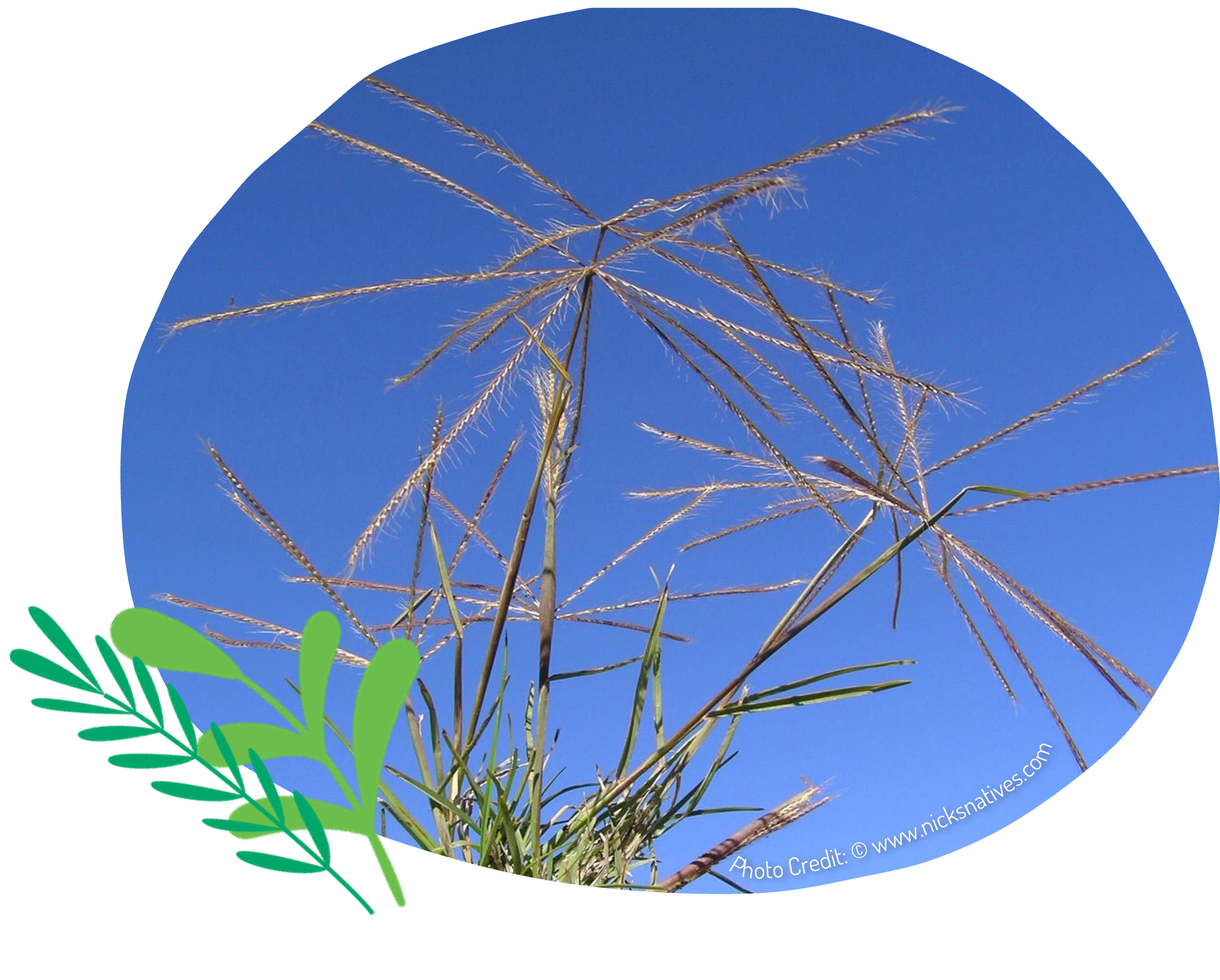
- Windmill Grass is native to Victoria and is a common understorey species in healthy grasslands and woodlands.
- Windmill Grass actually looks like a windmill! The seed head has little spikes radiating like blades, forming a perfect little umbrella or windmill shape.
- It has seeds built for travel. The seeds have long bristles (awns) that help them catch the wind. Some fall close to the parent plant while others tumble in the breeze.
- It’s a natural soil‑saver. Windmill Grass is a good colonising species, often the first native grass to appear after soil disturbance.
- It can produce up to 20,000 seeds per plant!